
Women’s Copa America is the main women’s national teams tournament in South America. CONMEBOL, the South American Football Confederation, is responsable for organizing the tournament. This year will be the 10th edition of CONMEBOL Copa America, which started in 1991 in Maringa, a city in the state of Parana, Brazil. Chile, Venezuela, and Brazil were the only participants in the first edition. The 1995 edition marked the debut of Argentina, Bolivia, and Ecuador in the tournament. It was then in the third edition, when the ten national teams played together for the first time, including Colombia, Paraguay, Peru and Uruguay. In December 2020, CONMEBOL announced that the Women’s Copa America would be held every two years starting with the 2022 edition as part of a strategy to professionalize women’s soccer in South America and give it greater continuity, as well as regional and international impact.
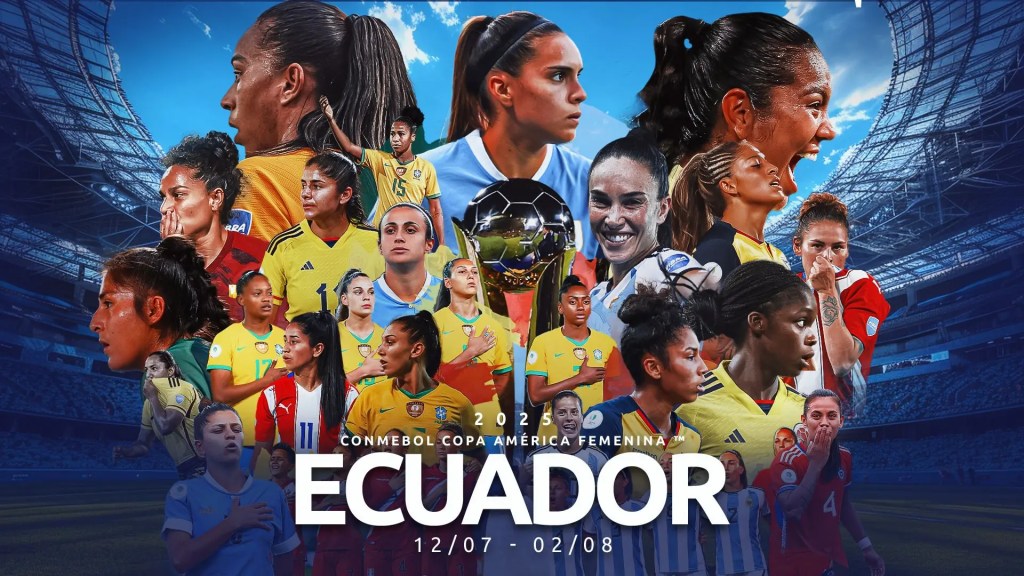
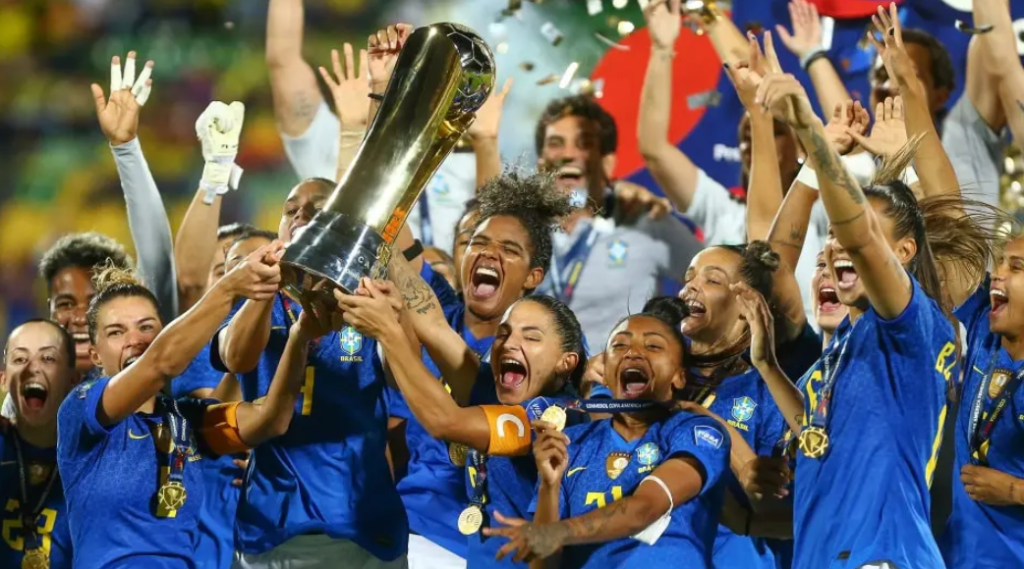
The 2010 edition was the first time Ecuador host the tournament and it received the official name of “Copa America Femenina”. This year will be the third time Ecuador hosts the tournament. Previously, when Ecuador hosted in 2014, history was repeated from the 2010 edition, with Brazil winning and Colombia finishing second, again. With eight titles, Brazil is the tournament greatest winner. It was not until 2006 when Argentina hosted and surprised everyone by defeating Brazil in the final held in Mar del Plata, becoming champions for the first and only time. This was the Brazilian team’s first loss in the tournament, and to this day they have only lost twice, both of them against Argentina. No other team has ever defeated Brazil in this competition. The 2022 edition, played in Colombia, marked a key moment due to its wide publicity and attendance. Although Brazil won again, teams like Colombia, Chile, and Paraguay showed great improvement in their competitive level.
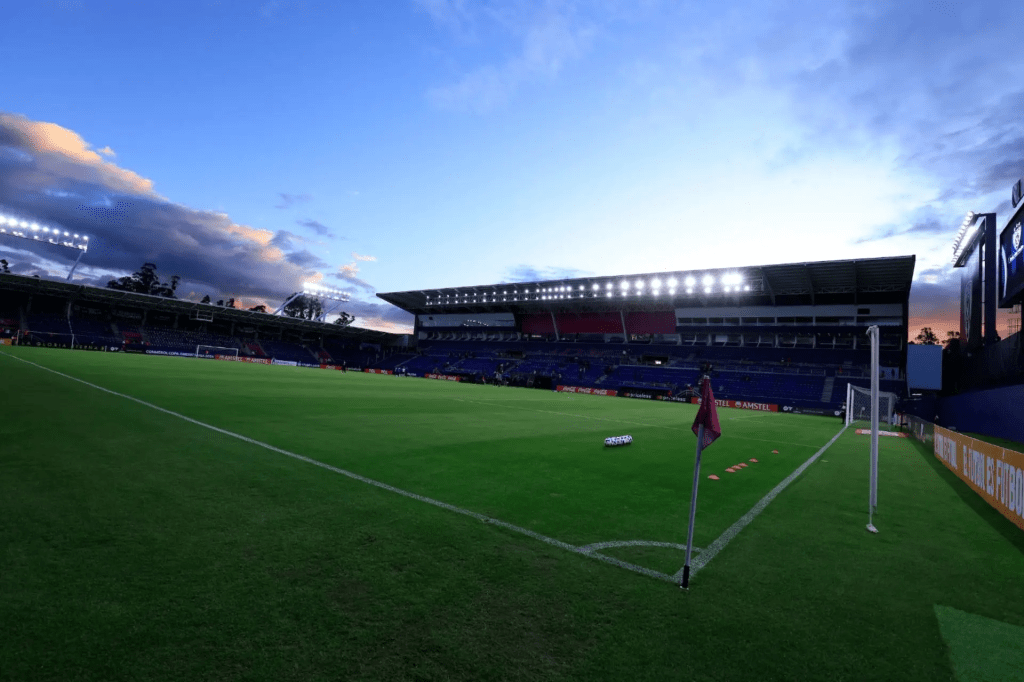
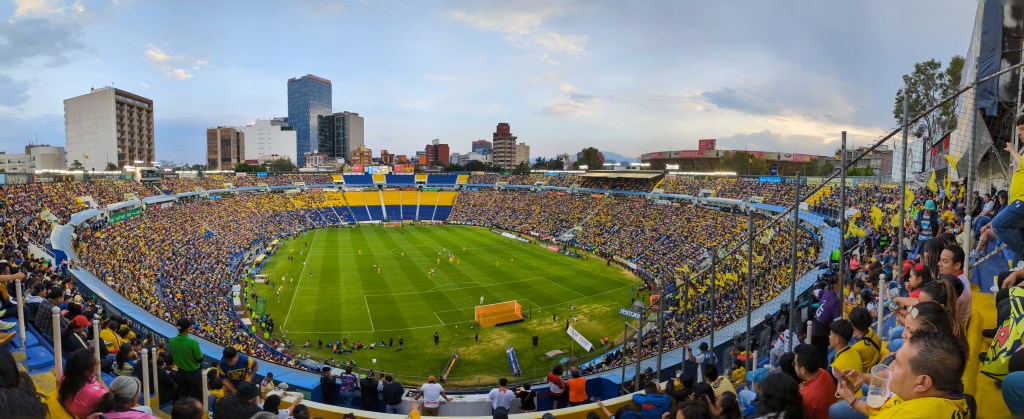
Eleven matches of the tournament will take place across three different stadiums in Ecuador: Independiente del Valle Stadium, Gonzalo Pozo Ripalda Stadium and Rodrigo Paz Delgado Stadium. The group stage, consisting approximately of 10 or 11 games, will be held at Estadio Independiente del Valle and Gonzalo Rozo Ripalda, while the semifinal, third-place match and final will be played at Estadio Rodrigo Paz Delgado. Ticket prices are accesible to the public, with group stage matches prices at US$ 3.00 and final stage matches at US$ 5.00. The tournament will kick off with Ecuador vs Uruguay on July 11th and ending with the final game on August 2nd.
A total of ten national teams will participate, divided into two groups: Group A includes Ecuador, Argentina, Chile, Uruguay, and Peru; Group B features Brazil, Colombia, Paraguay, Venezuela, and Bolivia. The top three teams from each group will advance to the next stage, with the third-place teams playing for fifth place. The two finalists will qualify for the Los Angeles 2028 Olympic Games, while the teams finishing in third and fifth place will secure a slots for the 2027 Pan American Games in Lima, Peru. The 2025 edition, however, will not determine qualification for the 2027 FIFA Women’s World’s Cup, as a separate qualification process will be held for that tournament.
In this way, Ecuador becomes the country that hosted more editions of this tournament. This event arrives at a key moment for women’s football, pointing out a significant number of Ecuadorian players competing abroad, the growth of the Superliga and local clubs, and the excellent performance of the youth national teams in international competitions. Across South America, the level of talent has grown with players from Brazil, Colombia, Argentina and Chile increasing earning opportunities in top leagues around the world, including Europe, Mexico, and the United States. The tournament is a key stage for players to show their skills to the world. It not only raises the visibility but also gives them real chances to land professional contracts abroad. As women’s football keeps growing across South America, the 2025 tournament looks like it’s going to be one of the toughest and more exciting ones yet.

 SportsDonna
Leave a comment